Empowering South Asians

The Problem
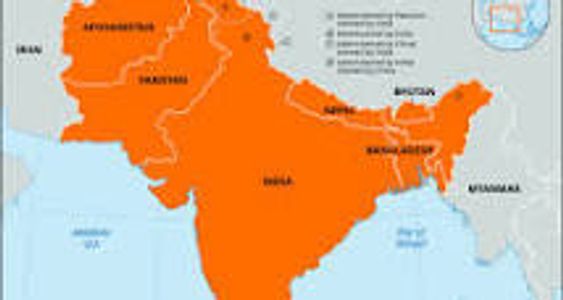
South Asians — with ancestral roots in India, Pakistan, Bangladesh, Sri Lanka, Nepal, Bhutan or the Maldives — carry unique health risks that are not widely recognized outside of medical and research circles:
- They have a 2–4× higher risk of heart disease, often beginning 10–15 years earlier than in other populations.
- They are more susceptible to insulin resistance and type 2 diabetes, even at a normal body weight.
- Fatty Liver Disease is more common for reasons that are not fully known.
- Higher percentages of South Asians have Metabolic Disease which is a combination of abdominal obesity, elevated triglycerides, low HDL cholesterol, elevated blood pressure, and elevated fasting glucose. This combination magnifies the risk on life expectancy and quality of life.
While these risks are partly genetic, they can be significantly reduced through early screening, a healthy lifestyle, and appropriate medical care. See below for blog posts/articles that discuss these topics. Initial posts are simple and later posts will be more detailed and scientific.
Causes

Diet
Lack of Research and Education
Exercise
South Asian Diets, while historically thought to be very healthy, have high amounts of carbohydrates and fat which likely contribute to metabolic disease. A shift towards lower calories, lower fat and higher protein may be beneficial.
Exercise
Lack of Research and Education
Exercise
South Asians tend to be relatively skinny with smaller arms and legs. Fat tends to be deposited in the abdomen and around organs, which is relatively worse than other places. Exercise is critical in improving and maintaining muscle mass which is important in preventing or fighting metabolic disease, insulin resistance or cardiovascular disease.
Genetics
Lack of Research and Education
Lack of Research and Education
Genetics plays a role in why South Asians develop disease earlier and at lower body weights than others. This is part of ongoing research. Knowing about these risks allows South Asians to take proactive steps — through screening, lifestyle changes, and medical care — to prevent disease and protect their health.
Lack of Research and Education
Lack of Research and Education
Lack of Research and Education
Limited research funding on South Asian health means these unique risks are often overlooked. Without enough studies and awareness, many go undiagnosed until it’s too late. More knowledge and investment can change that and save lives.
Want to learn more?
Call to Action
I’m a physician, and until recently, even I didn’t realize how serious and unique the health risks are for South Asians. The information exists — but far too few people know about it. That’s why I created this site: to gauge interest in learning more and to explore the physiology, genetics, and socioeconomic factors that shape South Asian health. Together, we can raise awareness, drive education, and support research that saves lives — starting now. If you would like to learn more, subscribe below..